All blogs

Creating a prescription product site for HCP's
We partnered with a pharmaceutical team to build a secure website for a prescription migraine treatment, restricted to Healthcare Professionals (HCPs) in Germany. The platform had to enforce secure access, meet strict regulations, and let internal teams manage content without developer support.
In pharmaceutical publishing, every update passes through legal and medical review. Teams must ensure compliance at every stage, from layout to accessibility and approval. But traditional CMS setups often limit how quickly teams can respond especially when changes require developer input.
This engagement focused on changing that. We created a gated platform where content teams could structure pages using approved components, update layouts without code, and manage reviews through a system designed for regulatory publishing. DocCheck authentication handled HCP verification, while modular components ensured brand alignment and flexibility across all screens.
The result is a secure, responsive site built for pharmaceutical workflows, where teams can publish with confidence and maintain full control across access, content, and compliance.
Challenges
HCP access restrictions
Prescription product content in Germany must be restricted to verified Healthcare Professionals. The team needed to integrate DocCheck login without interrupting the user journey or creating confusion between public and restricted content.
Modular translation of approved designs
The site had to match detailed Figma designs across all pages. This required translating static visual designs into reusable Drupal components while preserving layout structure, visual accuracy, and brand consistency.
Accessibility compliance across all interactions
The platform had to meet WCAG 2.1 AA standards. Every template and component needed to support keyboard navigation, semantic HTML, and colour contrast requirements across screen sizes.
Content review across legal and medical teams
Content needed to pass legal and medical review, with a CMS that preserved layout fidelity and didn’t require developer involvement.
Visual transitions without performance trade-offs
Designs included interactive elements and transitions. These had to be implemented in a way that preserved responsiveness and fast load times, especially for mobile users.
Fixed delivery timeline and scope
The scope was predefined with a clear feature list and delivery schedule. There was no flexibility for timeline extensions or post-handover adjustments.
Solutions
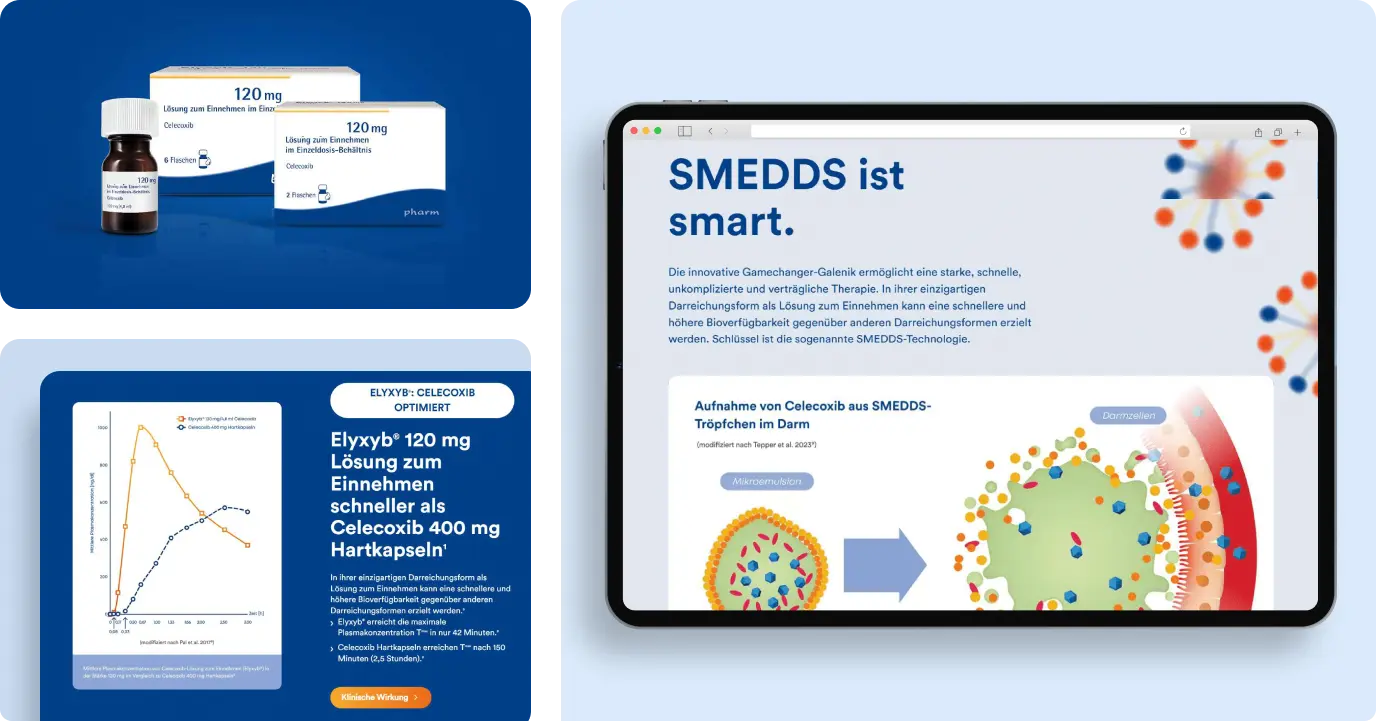
DocCheck authentication
We integrated DocCheck to restrict internal content to verified HCPs. Public pages remained accessible without login. The flow was designed to avoid confusion between public and gated sections and to minimise user drop-offs during login.
Structured CMS with layout flexibility
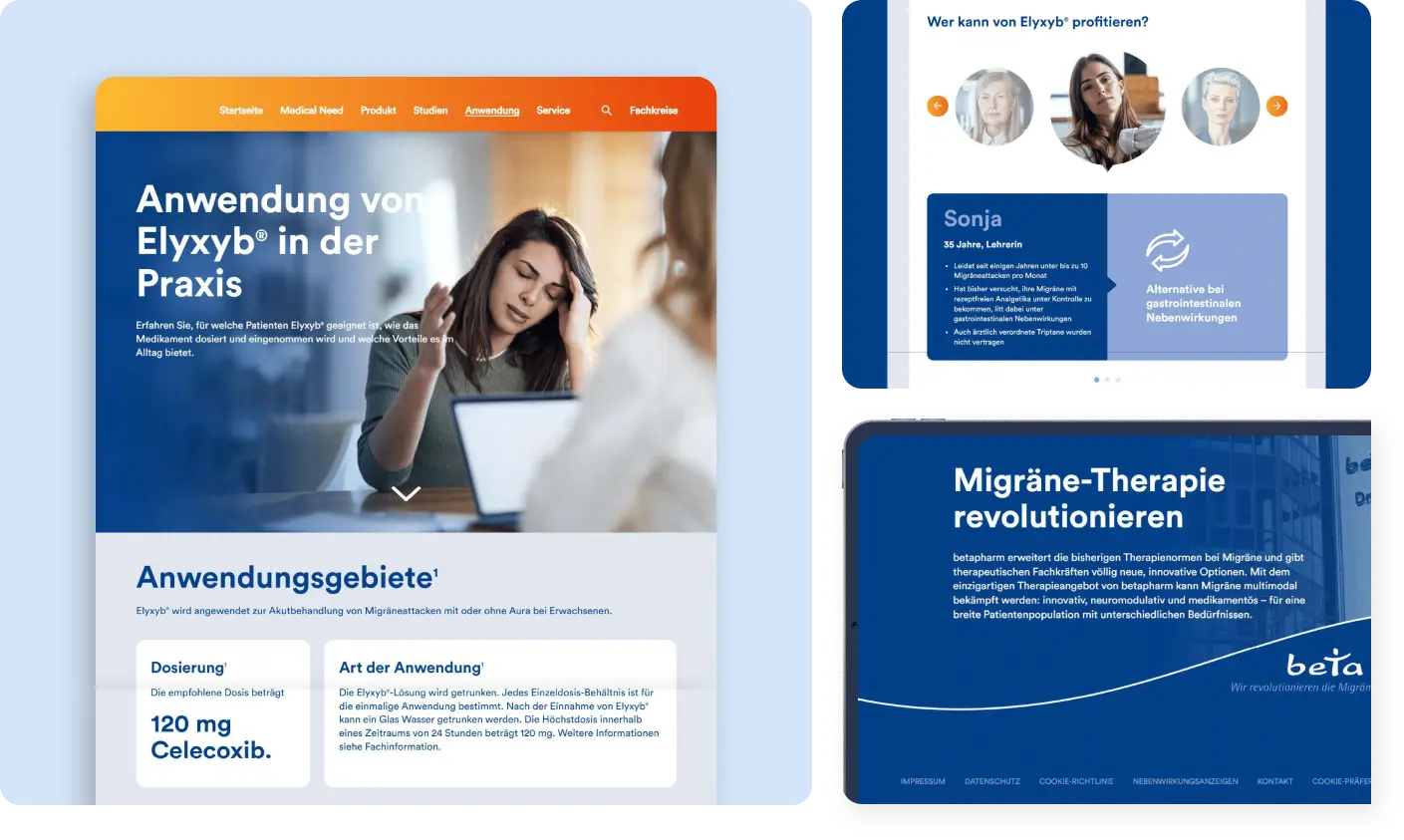
The site was built on Drupal using Layout Builder and Paragraphs. Editors could create and modify pages using approved layout structures. This reduced the need for developer input and ensured every update followed visual and regulatory standards.
Reusable component library
We developed a library of more than 25 components mapped from the approved design system. These included tabs, carousels, accordions, charts, video modules, and image cards. Each component was responsive and designed for reuse across multiple content types.
Accessibility-first development
Accessibility was applied across all components and templates. We used semantic HTML, validated colour contrast, and added keyboard support to meet WCAG 2.1 AA compliance across devices.
Editor-friendly content controls
CKEditor was configured with utility classes for branded formatting. Editors could apply visual styles directly within the CMS, without relying on code or third-party formatting tools.
Performance-focused frontend
We used mobile-first layouts and optimised CSS to keep page weight low. AOS animation logic was included with fallback support to maintain performance on low-bandwidth or low-power devices.
Knowledge transfer and support
We delivered CMS documentation, a recorded training session, and QA support through internal testing and UAT cycles. The content team was fully trained and ready to manage updates before the handoff.

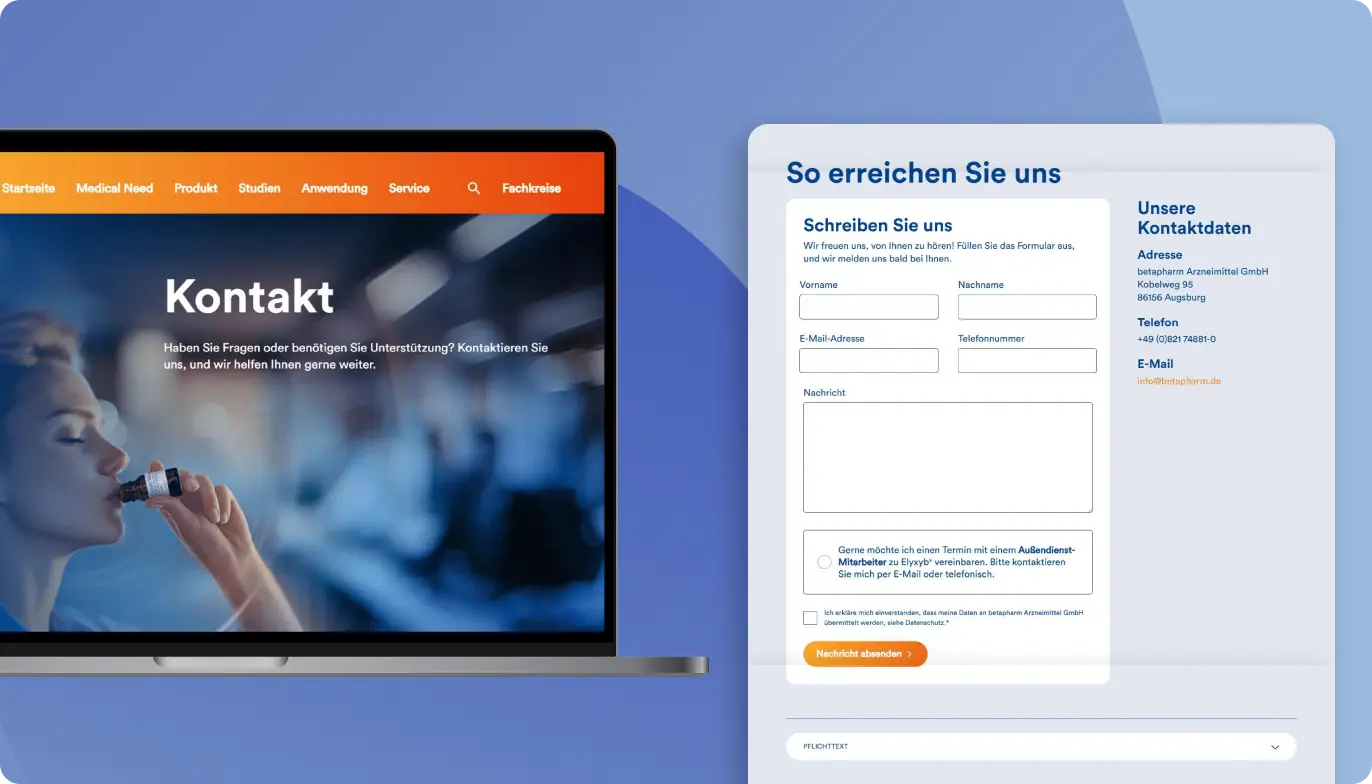
Results
The site launched with DocCheck authentication, restricting access to prescription product content for verified HCPs. Public users could navigate open pages through a clear and distinct access path.
Editors can now manage structured content and layouts directly in the CMS. Legal and medical reviews happen without layout disruptions or dev bottlenecks.
The reusable component library streamlines publishing by reducing duplication and keeping all content aligned with approved design specifications.
Mobile performance remains stable across devices. Pages load quickly, and transitions run smoothly without affecting responsiveness or layout integrity.
All components meet WCAG 2.1 AA accessibility standards. The platform supports keyboard navigation, semantic structure, and visual contrast requirements across all screens.
Search optimisation is built into the platform through clean URLs, metadata controls, automated sitemaps, and GTM configuration, supporting better visibility and tracking.
Conclusion
Healthcare professionals make decisions that directly affect people’s lives. For prescription treatments, their access to accurate, timely information must be protected, not just provided.
A gated platform ensures that clinical content reaches the people qualified to use it, in the context it was intended for.
This platform was built to support that responsibility, giving HCPs a clear path to critical product information and medical teams the control they need to publish with care.
It keeps the focus where it belongs, on the integrity of the content and the people who rely on it.
.avif "1 product, 6 regions, and the operational drag of fragmented pharma sites")
1 product, 6 regions, and the operational drag of fragmented pharma sites
Healthcare doesn’t move on a clean schedule. People don’t decide to quit smoking or start treatment after scrolling through three pages of brand messaging or watching a campaign video.
It happens in a moment, and that’s when people search for help. Maybe they’re looking for nicotine replacement therapy. Maybe they’re comparing treatment options. Either way, in that moment, they’re overwhelmed and need clarity.
But the confusion isn’t always about wrong or outdated clinical information. It’s baked into the systems behind the scenes, the operational drag that gets in the way of care.
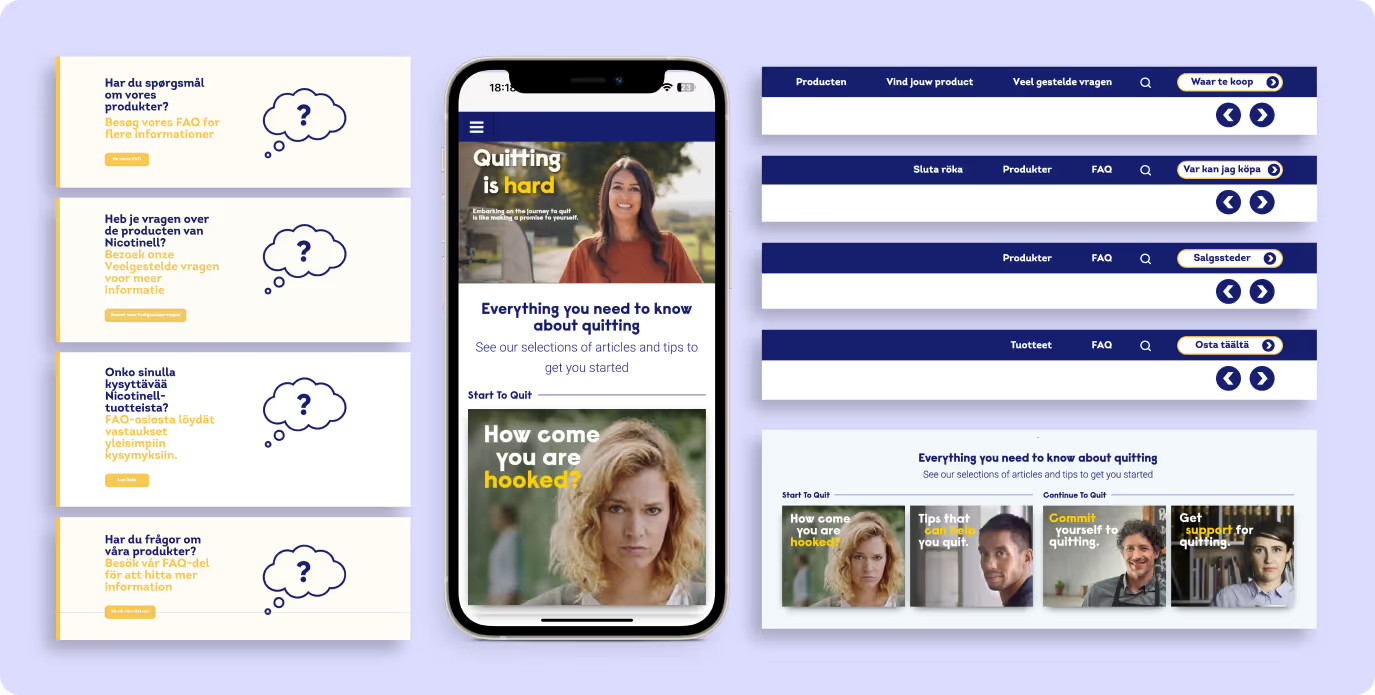
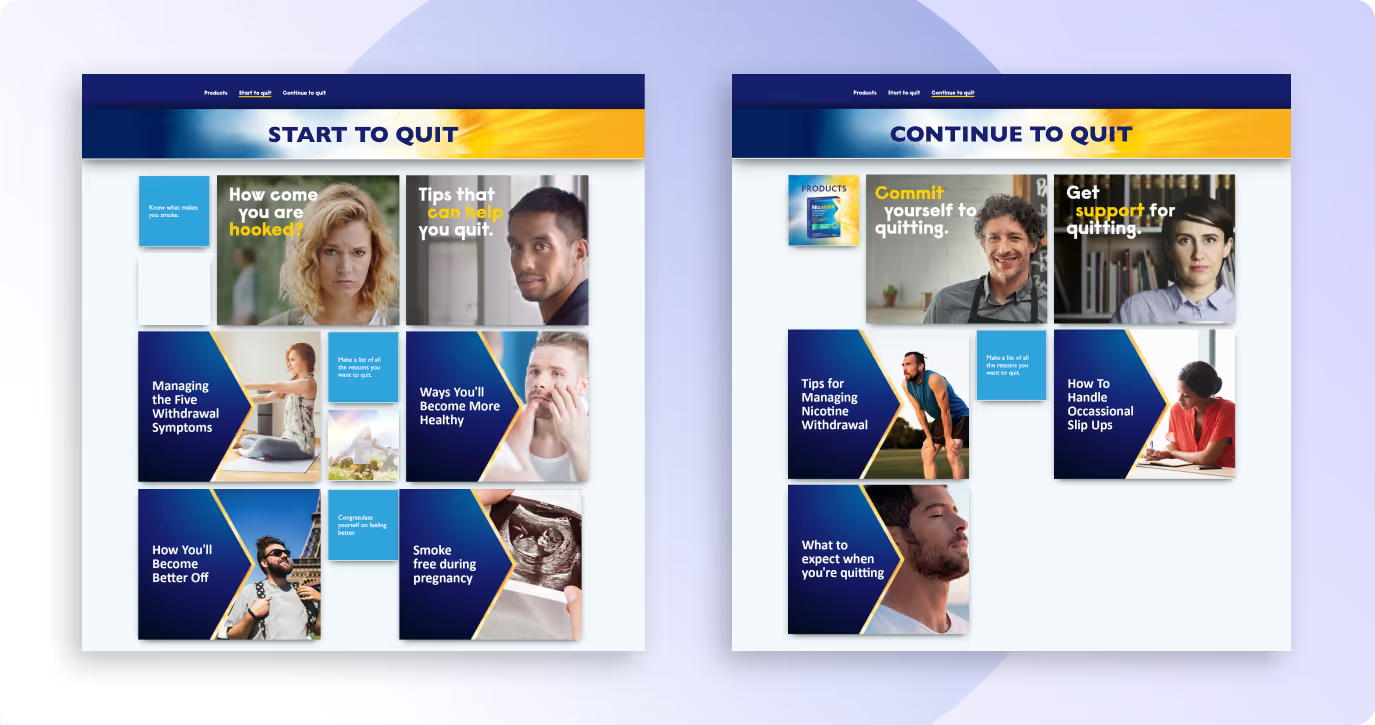
We partnered with a multinational pharma company to solve a similar problem affecting their nicotine replacement therapy (NRT) products. They were managing product websites separately across Denmark, Finland, the Netherlands, Norway, Sweden, and Australia.
Here are the challenges they faced and how the right technology helped fix them.
Challenges
Duplicated systems slow teams down
Each country maintained its publishing platform. That means separate vendor contracts, hosting arrangements, feature development cycles, and support teams. When the same functionality needs to be rebuilt five or six times, it impacts security and performance.
Content management became disconnected
Without a central system, teams are left to copy content between markets. Campaigns were manually adapted, clinical updates had to be re-entered, and translations were handled outside the platform.
User experience became uneven
Users were not able to find the right product for their needs because the guidance or disclaimers differ by region. And if content isn’t in their native language, they’re less likely to take action.
Compliance is harder to track
Approval workflows and documentation standards vary across markets. When content is scattered across platforms, it's difficult to monitor what’s live, what’s approved, and what needs to be reviewed.
In therapeutic categories, this opens the door to regulatory gaps and reputational risk.
What we delivered and why it mattered
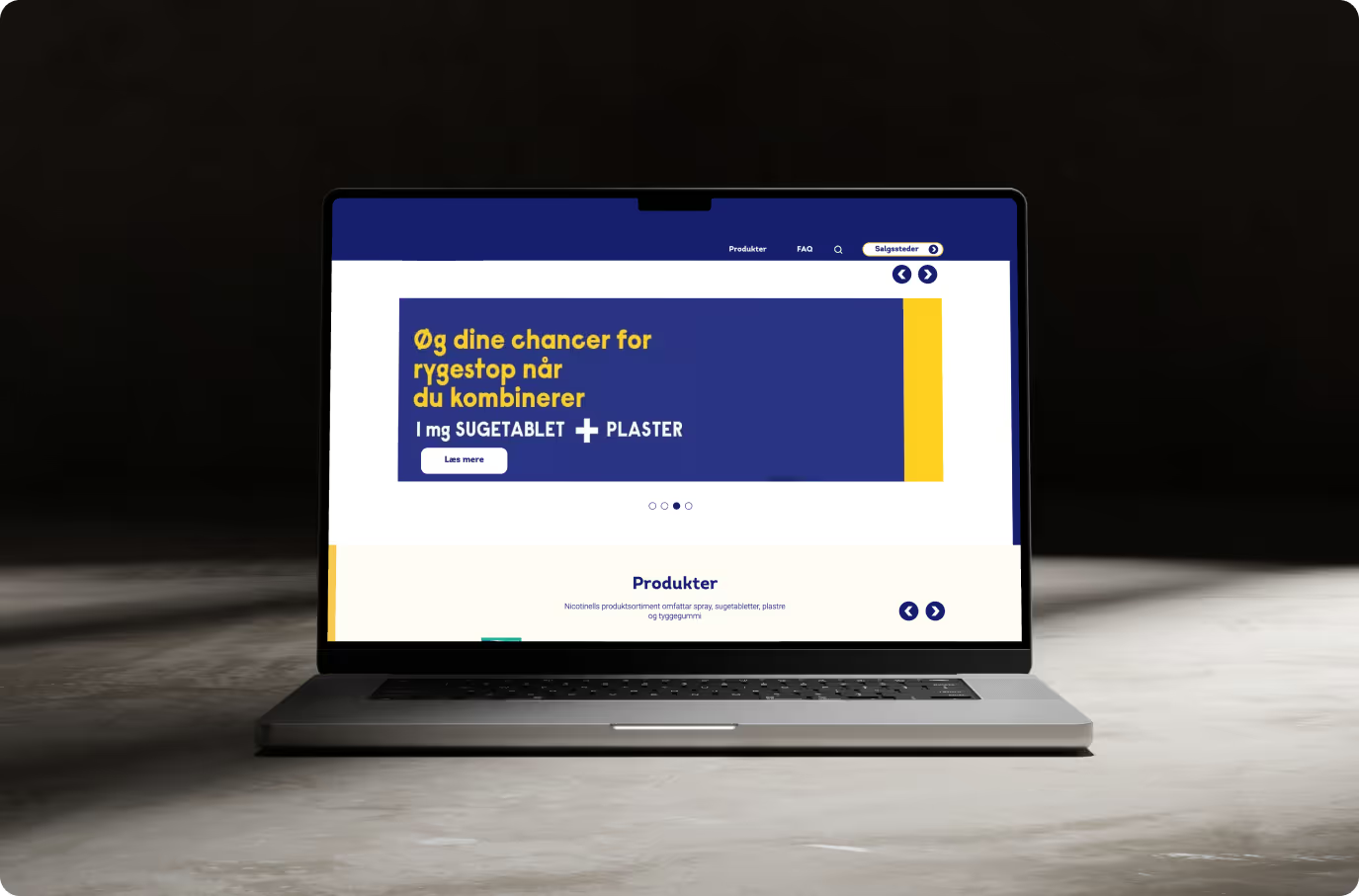
A component-based platform to eliminate rebuilds
Each market was rebuilding core features like product finders, dosage tools, and support content from scratch. We replaced that with a shared component library on Drupal. Features could be reused and configured locally. This cut down repetitive development, reduced cost, and ensured consistent functionality across markets. Local teams worked faster, and global teams had better control over platform standards.
A phased rollout based on actual system audits
We audited each market’s setup to understand what needed to be migrated, rebuilt, or removed. Rollouts were done in stages, with testing before launch. This avoided disruption and kept publishing operations running throughout the transition. Teams stayed productive, and adoption was faster because the system was built around their actual needs.
Scoped workflows aligned with local compliance
We created approval workflows and user roles to reflect how each country’s regulatory, medical, and legal processes worked. Teams followed their existing review structures, but with better tooling. This reduced manual tracking, improved turnaround times, and made it easier to stay audit-ready without extra effort.
Built-in localisation and translation tools
Translation workflows were embedded directly into the CMS. Local teams could manage language versions, metadata, and disclaimers without using external tools. This improved accuracy, reduced delays, and kept local content aligned with regulatory requirements.
Faster, more reliable platform performance
The platform was rebuilt to be lightweight, mobile-optimised, and easy to maintain. Load times improved across all regions. Publishing became more efficient, and support tickets dropped as common technical issues were removed at the source.
Shared analytics to track performance at every level
We implemented standard analytics across all markets. Teams could measure what content was published, how it performed, and where updates were needed. Everyone worked from the same data, without needing separate tools or reports.
Every implementation decision focused on reducing operational drag, removing redundant effort, improving time to market, and lowering long-term costs.
The result is a single platform that makes global content operations more efficient, more consistent, and easier to manage.
Conclusion
The right technology, tied to clear outcomes, helped solve key operational issues for the multinational pharma.
Solving the problem of operational drag isn’t unique to one company. It applies across healthcare, where systems should match the urgency of the decisions they support. When people search for help, it shouldn’t be seen as just another interaction or data point on a customer journey map. It’s a turning point, where their decision, mindset, or health outcome might shift direction. They need information they can trust, delivered quickly, in their language, and within their local regulatory context.
In the case of nicotine replacement therapy, smoking cessation, like many life-changing healthcare decisions, happens in minutes. The commitment is quick. People might take weeks to get there, but once they decide, they want to act immediately.
This is where disconnected digital systems fall short. They can’t keep up. People drop off. And the original intent to give people the right information and access to the product at the right time falls apart.
Motivation doesn’t wait. Anything inaccurate or slow became an expensive delay for both the pharma company and the people it’s meant to serve.
A case for building better e-learning platforms in healthcare
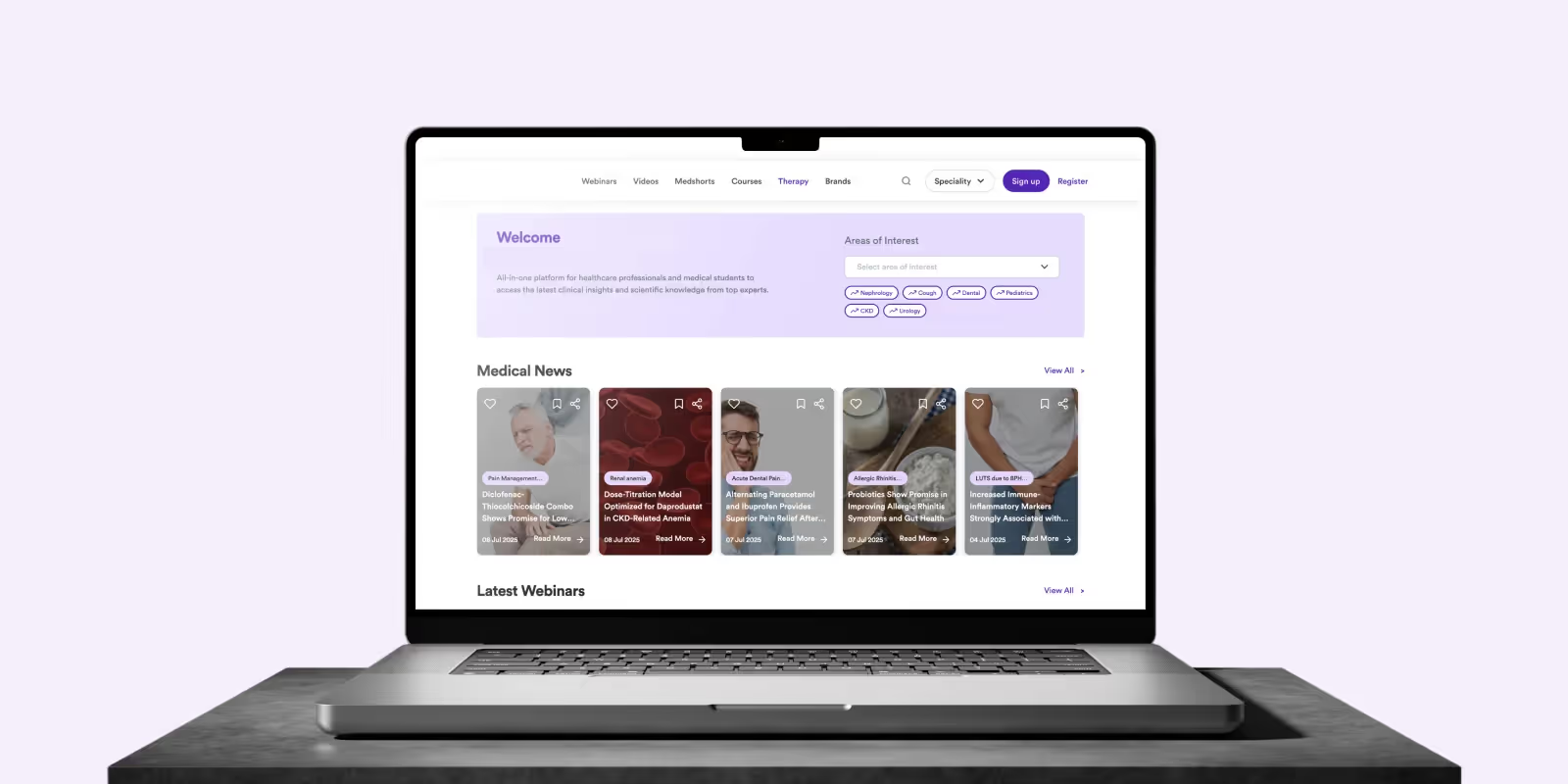
Doctors save lives. Nurses, specialists, and frontline health workers carry the weight of care every day. When something changes in treatment protocol, when new research emerges, or when a safety alert goes live, these professionals need to know. And they don’t have time to dig through broken systems or outdated dashboards to find it.
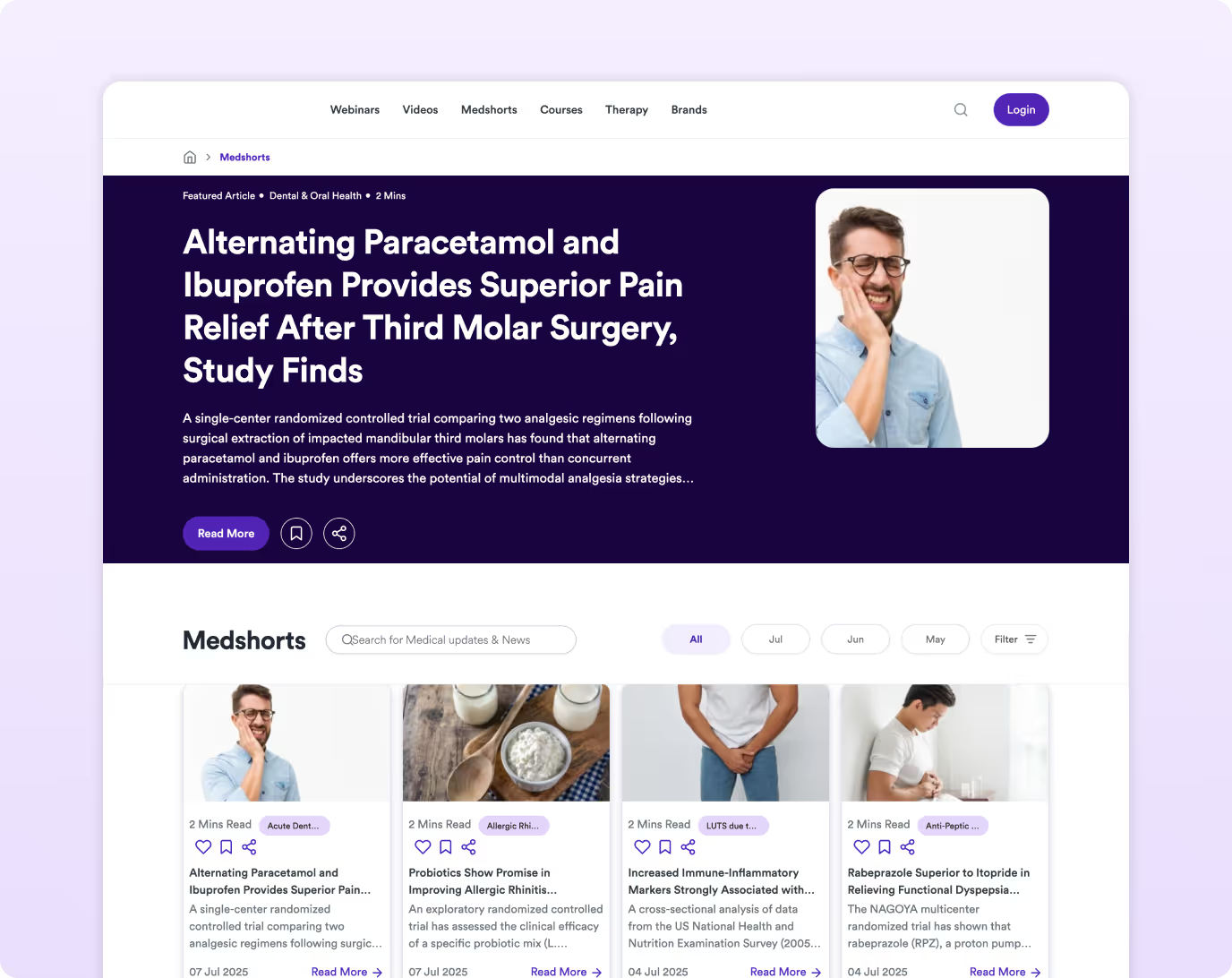
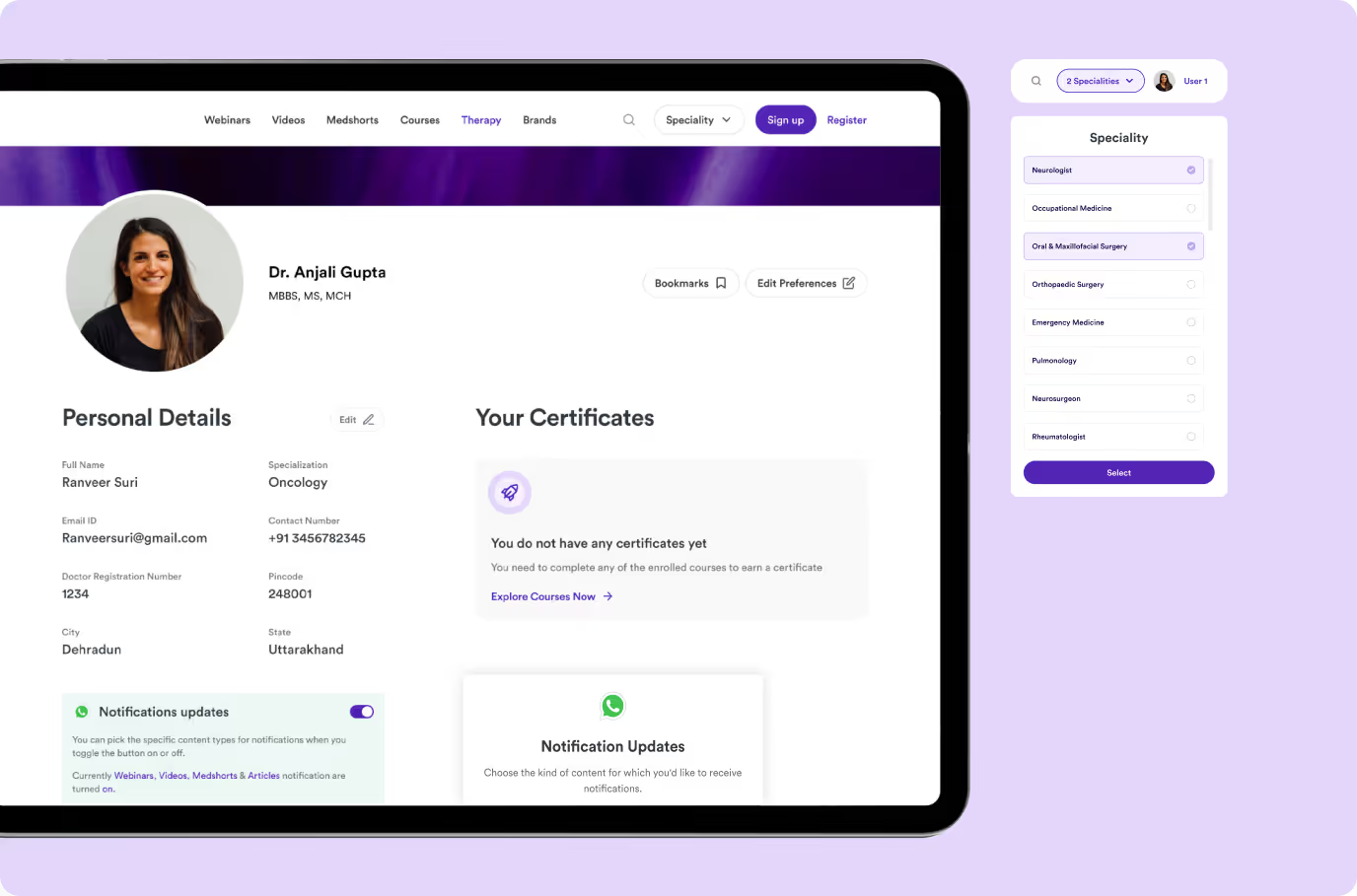
To support this, a multinational pharmaceutical company built a digital learning platform for medical professionals. The goal was clear: provide reliable, easy access to high-quality educational content.
Over time, the platform became difficult to manage, from poor search and scattered content to clunky workflows, manual video handling, and access issues that slowed everyone down.
We partnered with the teams behind the platform to address these issues and reimagine it around clarity, speed, performance, and long-term maintainability. The solution focused on consistent content modelling, streamlined workflows, and a scalable, component-based design system, so the right information could always reach the people who need it, when they need it most.
Why custom e-learning platforms matter in healthcare
Healthcare learning isn't static. Treatment protocols always keep on changing, compliance standards evolve, and new research continuously reshapes how care is delivered. Generic learning platforms struggle to keep pace with this reality.
Custom platforms allow organisations to build compliance directly into how content is created, reviewed, approved, and accessed. Features like version control, audit trails, and role-based permissions help ensure the right information reaches the right professionals at the right time, without introducing risk.
They also make it easier to respond quickly when medical guidance changes. Instead of waiting for platform limitations or manual processes, content teams can publish updates confidently, knowing they will reach the field without delay.
Over time, this reduces dependency on in-person training, lowers operational costs, and creates a learning system that scales across regions while remaining clinically and regulatorily sound.
The challenge: too much content, not enough direction
The organisation’s digital library served a broad set of healthcare professionals across roles and regions. Knowledge content included video explainers, clinical articles, live sessions, and CPD-certified modules.
But the platform was built on a disconnected set of stacks. Key issues included:
- Search delivered inconsistent results
- Editorial teams duplicated work across siloed systems
- There was no shared taxonomy or categorisation logic
- Editorial workflows lacked visibility and version control
These challenges were operational and experience-related. The platform hadn’t been designed for the realities of publishing regulated learning content, or for the way healthcare professionals consume it.
Every moment that outdated content remained live was a moment when a healthcare professional might miss a vital update. And in their world, every detail matters. These are people who show up every day with unwavering commitment to their patients, often under immense pressure and with little time to spare.
The mission was clear: to build a platform that respects their reality. It had to be fast, intuitive, and trustworthy. A space that empowers them with the knowledge they need, exactly when they need it, so they can keep doing what they do best: saving lives and making a difference.
What we implemented
This was a complete rebuild, grounded in workflow clarity, clinical relevance, and system stability- the core issues holding the system back.
We addressed the key failure points and aligned the platform accordingly to reflect how both medical professionals and content teams work.
Structured content, aligned to clinical relevance
We introduced a shared taxonomy, grouping all content by medical domain, format, and target audience. Each content type, like articles, videos, events, and modules, now lives in a unified system and carries a taxonomy reference, making it easier for users to discover what they need and for editors to use the same tags, and users get accurate, predictable results.
To break down silos, we set up two types of content in Drupal and added a "both" tag for videos. This made them show up consistently across formats and cleaned up the URLs.
Reusable components across all content types
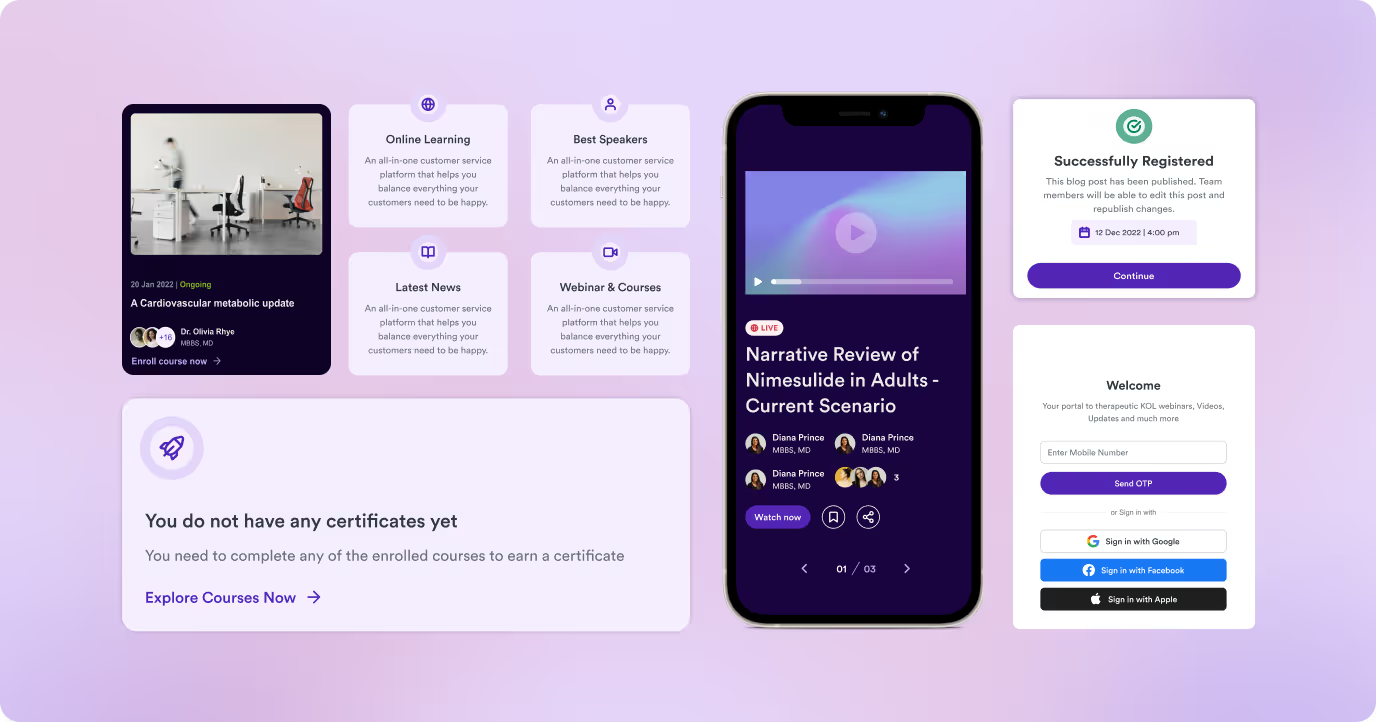
We replaced custom pages with a component-based publishing system grounded in Atomic design principles. Editors now use pre-approved templates and building blocks. This ensures consistent layout, faster production, and easier updates. No more visual drift or manual formatting.
One publishing workflow
We connected the backend CMS to the learning front-end through a clean API integration that supports all publishing actions: create, update, approve, publish, and archive.
Content created in Doconnect now flows seamlessly through the system via APIs, enabling cross-platform publishing and synchronisation. User interactions, such as opens and ratings, are tracked to improve engagement and inform ongoing content optimisation.
Centralised video asset management
Video content was migrated to Brightcove and integrated with the CMS through a control module featuring customised sync logic. This ensured seamless video management, prevented duplicates, and eliminated manual embed workarounds. In healthcare education, video plays a critical role. Demonstrations of procedures, device usage, and clinical workflows are often better understood visually than through text alone. By centralising and standardising video delivery, the platform ensures learning remains consistent, accurate, and easy to access for professionals working under time pressure.
Seamless migration for existing users
We integrated the platform with Auth0 and preserved all existing user credentials. Doctors and nurses did not have to re-register or reset passwords. Roles, access levels, and permissions are carried over without friction.
New users complete a simple form, and their data is instantly synchronised between Drupal and Auth0, ensuring a consistent user experience across systems.
What makes an effective healthcare e-learning platform
An effective healthcare learning platform is built for real working conditions. It must be accessible on mobile devices so professionals can learn between shifts or during limited downtime.
It should support interaction through assessments, quizzes, or scenario-based learning so knowledge is reinforced, not just consumed.
Personalisation matters. Learning paths informed by role, speciality, or past engagement help professionals focus only on what is relevant to them.
Security and compliance must be foundational, not added later. Controlled access, audit trails, and content approval workflows protect both the organisation and the people relying on the information.
And finally, strong video integration is essential. For clinical education, seeing is often as important as reading.
Results
What once took days now happens in hours. Publishing timelines have been streamlined, with no need for engineering support or multi-system coordination. Content teams work independently and release updates quickly. Safety communications, training modules, and clinical content reach the field without delay. In an industry like healthcare, where timing, accuracy, and compliance directly impact patient outcomes and regulatory performance, this speed is a real advantage.
All content is now managed in one place. Search is filtered by speciality and relevance, so healthcare professionals see only what’s current and approved. This improves accuracy and supports regulatory consistency across global markets.
The user experience is straightforward. Returning users keep their preferences and access levels. New users onboard easily and find what they need without extra support. Authentication is simple. That clarity removes friction and increases completion rates. For healthcare professionals, this means better access to critical information without losing clinical time.
On the back end, content teams now follow one publishing workflow with built-in version tracking and transparent approvals. Review cycles are faster. Ownership is clear. Audit readiness is automatic. Editorial and regulatory teams have the visibility they need without slowing things down.
Content is organised, keeping HCP-facing content separate from general or patient materials. That structure supports compliance and reduces risk. The platform also enables personalised learning and real-time engagement tracking, giving teams insights they can act on and helping them focus efforts where it counts.
It is a strategic shift in how regulated content is created, managed, and delivered. It reduces operational risk, accelerates delivery, and ensures critical updates reach the right people at the right time. Most importantly, it gives healthcare providers more time to focus on care, while staying aligned with evolving clinical and regulatory standards.
Conclusion
Accurate information must reach the right people without delay. Even high-quality content becomes ineffective when hidden behind inconsistent systems or fragmented workflows.
We didn’t just improve the look and feel of a learning platform. We rebuilt its foundation.
By removing barriers to access and delivery, we’ve created a system that supports faster learning, smoother operations, and more confident learning and decision-making.
Content reaches the right users faster. Internal teams work efficiently, with greater visibility and control. Every element of the system is designed to support clinical relevance and long-term maintainability.
This is what a healthcare learning platform should deliver as standard. If we expect healthcare professionals to keep up with what matters, we owe them the digital systems that don’t slow them down.
.avif "Product microsites in regulated medical publishing")
Product microsites in regulated medical publishing
Medical and pharmaceutical brands manage multiple and complex portfolios. Each product comes with its claims, market approvals, disclaimers, and regulatory frameworks. Content must pass through legal, medical, and regulatory (MLR) review. Every change must be versioned, timestamped, and audit-ready.
As portfolios expand, shared content systems become harder to maintain. Publishing slows down. Review cycles overlap. Ownership becomes unclear. Microsites address this by assigning each product its own publishing space, review structure, and compliance boundary.
For organizations operating across multiple markets and indications, microsites are a practical, scalable model for regulated publishing.
Content, compliance, and the risks
Different medical products follow different rules. Some products need a prescription, while others can be bought over the counter. Each type has its own rules. Products are also approved at different times in different countries. A product might be ready for launch in one country but still waiting for approval in another. What you’re allowed to say about a product often depends on where it’s being sold.
This means the content has to be customised for each country, not just in language, but also in who the message is for, like patients or healthcare professionals.
Adding to that, the review process is different for each market. It usually involves several teams, including medical, legal, regulatory, and safety (PV) experts, and each team has its role in approving the content.
Regulatory frameworks such as FDA 21 CFR Part 11, the EU Pharmacovigilance Directive, and the ABPI Code of Practice govern how content must be reviewed. When these requirements are managed through a shared CMS without clear boundaries, the risk increases. Promotional material may be shown to the wrong audience. Outdated claims may remain live. Audit logs can become harder to interpret when tracking unrelated products, regions, or approval flows within a shared CMS.
Shared CMS setups break under regulatory pressure
Enterprise CMS platforms can technically support multiple products within a shared system. But the complexity of it increases with scale. As the number of products, regions, and teams grows, so does the friction.
Common issues include:
- Global queues blocking region-specific updates
- Shared components triggering unintended review across products
- No clear separation between promotional and regulatory content
- Audit histories that require manual filtering
- Changes in one product trigger a compliance review for others
In our experience, microsites help to reduce these points of failure. Each product is governed independently. Review cycles are focused. Updates are not delayed by unrelated releases.
More on individual product microsites
Microsites allow each product to operate within a clearly defined environment. This enables regulatory workflows and reduces operational complexity.
1. Review cycles scoped to the product
Medical, legal, and regulatory teams work in focused review tracks. Microsites reduce overlapping cycles by isolating review tracks to specific products, limiting cross-dependencies where possible.
2. Market- and audience-specific access
Microsites allow content to be routed by geography, language, and user type. Healthcare professional content stays gated. Country-specific versions are easy to manage.
3. Version control and audit trails
Each product site maintains its log of changes, approvals, and published content. Regulatory teams can trace review history without filtering through unrelated materials.
4. Campaign velocity
Teams can launch product campaigns, respond to PV updates, and roll out localised assets without cross-team dependencies. Microsites help implement safety-related content updates faster by isolating product-specific workflows, essential for meeting regulatory deadlines for safety communications or black box warnings
5. Scoped permissions
User roles are assigned per site. Different market teams gain clarity on what they can manage, review, or approve, reducing errors and bottlenecks.
This model aligns with how publishing is managed and enforced in regulated environments.
Case study


We partnered with a pharmaceutical company that manages a large portfolio of both consumer-facing and prescription products, spread across multiple regional markets.
One of their top-performing medical product was published within a shared CMS, alongside several unrelated products. Over time, this setup became a bottleneck and introduced risks to compliance and publishing speed.
During the discovery period, several issues became clear. Content for healthcare professionals and the general public was combined without a clean separation, raising concerns about regulatory compliance and audience targeting.
Even small content changes required technical support, which slowed down routine updates. Approval workflows varied between teams, and there was no reliable version history to track. The legacy structure of the site contributed to slow performance.
To address these challenges, we rebuilt the product site as a dedicated microsite.
This new setup enables the creation of product and market-specific editorial workflows that align with medical, legal, and regulatory (MLR) processes. We introduced audience-specific routing so patients and HCPs would see only the content intended for them.
A new component-based design system was created, making it easier to update and reuse components consistently.
We introduced scoped user roles for editorial, legal, and regulatory teams. Each group had clear responsibilities and permissions, reducing confusion and delays during the review process.
The result was a self-contained, compliant publishing environment. Teams now update content faster, reviews are more focused, and the publishing process no longer depends on unrelated product timelines.
The new system mirrors the way regulated content is managed internally and gives teams the flexibility to work at their own pace while staying fully aligned with compliance standards.


Designed for regulated publishing at scale
Microsites work across product categories, regulatory environments, and regions. They support country-specific claims, parallel campaign launches, product-level audit logs, timely pharmacovigilance (PV) updates, and versioned releases tied to local approvals.
Importantly, microsites do not operate in isolation. They integrate easily with your enterprise stack. Microsites can connect to existing systems such as:
- Your DAM (Digital Asset Management) for storing and reusing approved elements.
- CRM platforms for managing customer and HCP engagement
- Single sign-on (SSO) tools for secure access and role management
- Analytics platforms and tag managers for tracking site performance and behaviour
This allows you to maintain brand-level control while giving product teams the flexibility to publish quickly and accurately.
Microsites also support local market ownership. Country teams can manage their versions of a product site while global teams retain oversight of branding and approved claims.
This also simplifies the handling of language, legal, and regulatory differences. Rollouts can be staggered, with one country going live at a time, based on local readiness and market approval.
Shared enterprise CMS platforms still have a place. They can support brand identity, central user access, and global asset libraries. But when it comes to regulated publishing, microsites provide the structure and independence needed to reduce delays, avoid compliance issues, and scale effectively across teams and regions.
Conclusion
The publishing system affects launch timing, regulatory response, review capacity, and cost. When product lines expand, the gaps in shared platforms become harder to manage. Teams wait on each other. Review cycles overlap. Visibility into what’s live and approved becomes harder to maintain.
From our experience developing microsites for medical content, this approach supports scale by allowing each product to run on its track while staying aligned with brand principles and identity. It improves workflow clarity, reduces cross-product risk, and makes regulatory review and launch faster and more controlled across markets.
Wherever a product is launched, the process remains fast, consistent, and compliant, with the site meeting regulatory and market expectations from day one.

.avif "AI Healthcare solutions for better care and support")
AI Healthcare solutions for better care and support
We are very used to a world where the smartest thing on the planet is us. And we are, either wisely or not, changing that. We are building something smarter than us, way smarter than us.
Nowhere is this shift more powerful than in healthcare. AI is still finding its way here, but people are all in because it brings real promise and hope for a healthier future.
AI can provide health advice, which is especially important since doctors are in short supply — even in wealthy countries that invest heavily in healthcare. For instance, the United States faces a projected shortage of up to 124,000 physicians by 2034. As you move into poorer countries, where healthcare resources are even more limited, many people may never see a doctor in their entire life. In sub-Saharan Africa, for example, there are often fewer than 0.2 doctors per 1,000 people, leaving many reliant on community health workers for basic medical needs.
For example, Sybil—is an AI model developed by researchers at MIT to assess the risk of lung cancer by analyzing CT scan images. Unlike traditional methods, Sybil doesn't rely on radiologists to flag cancerous signs, instead, it predicts a patient's likelihood of developing lung cancer within six years, even in the absence of visible signs of the disease. This model has shown strong predictive power, helping doctors identify patients who may develop lung cancer before it becomes detectable, potentially saving lives through earlier intervention.
Similar to this technology and others currently being researched and developed, AI addresses very complex problems. We're still living in a world of scarcity, with a shortage of doctors. The fact that AI is set to accelerate advancements in these areas is definitely something worth discussing—and perhaps even celebrating.
Let’s explore why it is a genuine need in the healthcare industry.
The growing financial burden
One of the biggest challenges is the rising cost of healthcare. As more people develop chronic conditions like diabetes and heart disease, they require ongoing care, especially as they age. Coupled with the rising costs of treating these conditions, the financial burden continues to grow, adding strain to both individuals and healthcare systems.
How AI can help
AI-assisted diagnostics can help reduce costs by catching diseases earlier, allowing for less invasive and more affordable treatments. By providing precise diagnoses at an early stage, tech could help patients avoid multiple tests and expensive procedures, leading to better outcomes without adding unnecessary financial strain.
For example, AI-driven predictive analytics can help identify at-risk patients and facilitate preventive measures, ultimately lowering overall healthcare expenses.
Tools like IBM Watson and Google Health's AI models are being used to analyze patient data, identify patterns, and predict potential health risks before they become critical. By integrating data from electronic health records, wearable devices, and other sources, these AI tools provide actionable insights that enable healthcare providers to offer targeted interventions, personalized care plans, and early lifestyle recommendations, thereby reducing the long-term costs associated with chronic conditions.
Scarcity of doctors
As the global population continues to grow and age, there are simply not enough healthcare professionals to meet the rising demand. The U.S. alone is projected to face a shortage of between 37,800 and 124,000 physicians, with both primary and speciality care sectors affected.
Patients often face longer wait times, and healthcare providers are overloaded with cases, limiting the attention they can give to each individual patient.
How AI can help
AI virtual assistants and chatbots can take on routine tasks such as scheduling appointments, answering common patient questions, and monitoring chronic conditions.
This frees up doctors to focus on more complex cases, reducing their workload and the risk of burnout while still ensuring timely care for all patients.
AI-driven search tools make patient data immediately accessible, allowing healthcare professionals to make faster, more informed decisions.
Tools like Nuance's DAX (Dragon Ambient eXperience) and Babylon Health's AI assistant are already being used to streamline administrative tasks and provide real-time support, enabling doctors to dedicate more time to direct patient care and complex decision-making.
Putting data overload to use
Healthcare providers generate large volumes of data, including patient records and research findings, but much of it goes unused because healthcare professionals often lack the time and resources to fully process it. In fact, studies estimate that approximately 97% of healthcare imaging data goes unused, leaving a significant opportunity for technology to help make sense of it all.
How AI can make it better
AI-based solutions are transforming data usage in healthcare. AI tools analyze large datasets, identifying critical insights and supporting faster decision-making.
This has proven valuable for diagnostics—Scientists at Harvard Medical School have developed a versatile AI model similar to ChatGPT, designed to perform a range of diagnostic tasks across various types of cancers. This AI system, named CHIEF, is capable of detecting cancer, predicting tumour genetics, and estimating patient survival based on histopathology images. The model was trained on millions of images from diverse cancer types and has been shown to outperform existing AI methods in accuracy, making it a promising tool for supporting clinical decision-making in cancer care.
AI-assisted solutions like these provide real-time synthesis of information, giving clinicians immediate access to relevant and reliable information. This supports decision-making, reduces administrative tasks, and allows the healthcare workforce to focus more on patient care.
Some real-world applications
1.AiCure
AiCure uses advanced AI algorithms to monitor patient behavior and confirm medication intake through a smartphone app. The app reminds patients, confirms medication intake and sends this information to healthcare providers.
This tech has shown success in improving adherence to treatment, particularly for conditions that require consistent medication.

2.Tempus
Tempus is an American health tech company. It supports healthcare professionals in making a more informed decision. Tempus relies on machine learning to analyze genetic and clinical data, helping create more personalized treatments and precision medicine solutions for oncology, cardiology, and depression.

3.HealthTap
HealthTap is a U.S.-based primary care platform that offers affordable services with or without insurance. They focus on making healthcare accessible through virtual consultations.
Natural Language Processing (NLP) powers HealthTap's virtual assistant, which helps guide patients through symptom checks and provides health information. This technology supports patient engagement and helps reduce the workload for healthcare providers.

AI + healthcare, a future worth building
AI holds the promise to transform healthcare by taking care of some of the industry's most challenging issues.
Beyond automating tasks or improving diagnosis accuracy, AI has the potential to help healthcare providers focus on what matters most—patient care and help with a better work-life balance.
The path forward requires strong partnerships between AI companies and healthcare organizations, with a shared focus on meaningful, patient-centred outcomes, as well as sustainable profitability.
To make this vision a reality, it is extremely important that AI-assisted solutions are implemented responsibly, ensuring they are cost-effective and inclusive, leaving no one behind.
We believe that with ongoing research, thoughtful development, and a human-centered approach, technology is not only going to get smarter but also become a valuable ally, transforming healthcare into a system that addresses current challenges, genuinely improves people’s lives, supports families, and uplifts the dedicated workforce behind it.
This future is one where, with the help of AI, healthcare professionals can focus on what they do best—healing, connecting, and instilling hope.

How to Create a Connected HCP Customer Journey
Customer behavior has changed significantly. The micro-moments that drive preference and decision-making have the most impact on a customer journey. Businesses try to make the best use of these micro-moments by focusing on digital customer experiences.
Can the pharma industry also adopt the B2B customer journey that has proved efficient for other industries like retail?
Can pharma create connected HCP customer journeys and deliver exceptional experiences?
The marketing landscape is constantly fragmenting itself, from influencers to micro-influencers and market segments to micro segments. The target consumers refuse to be treated like fragments and instead prefer to be treated as individuals. Google reports that 69% of online consumers agree that the timing, quality, and relevance of a brand message influence their decision-making process.
Healthcare professionals are no less and expect the same level of personalization in their customer experience journeys. Modern HCPs prefer digital modes of interaction, especially after the pandemic. HCP engagement is no longer optional, it is a necessity for pharmaceutical companies.
Evolving HCP engagement landscape
The internet and emerging technologies have empowered HCPs to access crucial and relevant medical information on multiple channels. Traditional digital channels no longer work effectively. Marketing and content are evolving day by day. Starting from engaging with HCPs on a single channel to multiple channels, then omnichannel, and now channel-less, digital experiences have come a long way.
An omnichannel strategy focuses on connecting as many channels as possible whereas a channel-less strategy focuses on the experience delivered on any channel. This progress works in tandem with the preferences of HCPs. The kind of medical information HCPs require has not changed but the timing, format, and delivery of such information have changed.
HCPs require a pharma company that provides them with relevant, authenticated, and curated medical content. The new generation of time-constrained HCPs does not have time to gather and consume copious amounts of information. They want relevant and useful content that they can consume at the right time. When it comes to effective HCP engagement, the when, where, and how matter significantly. And these essential facets are the main pillars of a connected HCP customer journey.
Why create HCP customer journeys
The pharma industry has a direct relationship with HCPs, not the patients, and yet it plays an important role in the HCP decision-making process that impacts patients directly. A customer journey will help pharma clarify the interplay between its customers, the HCPs, and their customers, the patients. It will also align the latest customer needs with customer behavior and emerging technologies.
A customer journey also enables pharma companies to keep up with the latest developments in the industry that is evolving rapidly. Pharma companies can curate effective marketing communications targeted at a relevant audience and reduce the high costs that come with poorly targeted marketing. To sum up, a customer journey provides insight into HCP behavior and needs and empowers pharma companies to prepare themselves to fulfill those needs most effectively.
Leverage content, data, and technology
Content
The content still matters the most. What is required is content that engages HCPs meaningfully with deep educational information. HCPs desire curated medical information to understand new treatments and make better therapeutic and diagnostic decisions.
A content strategy should be a part of an HCP customer journey. All of the following will help pharma to leverage content in delivering better HCP engagement.
- Personalized and high-quality content
- Content library to engage across the whole journey
- Interactive content for multi-touch experiences
- Relevant information to cut through the clutter
- Medical topics tailored to HCP’s personas
- Content in bite-sized, downloadable, and animated format
- Rich facts, stats, and evidence for products
Data
Pharma companies have large volumes of data at their fingertips that can be used efficiently. Sales-based data helps to identify the sales potential of HCPs, such as the level of decision-making or the annual number of prescriptions. Behavior-based data provides insights into the differences between HCPs in their beliefs, prescription habits, or scientific appetite. Data based on content and channel preferences yield results on the level of engagement, popular channels, and modes of engagement.
A data management strategy coupled with predictive and visual analytics will help pharma companies to chart an HCP customer journey based on the insights. The following steps help to include data-driven insights in an HCP customer journey.
- Identifying rich data sources
- Assessing data quality and addressing data gaps
- Sourcing additional data if required
- Centralizing HCP customer data
- Connecting data from across the organization
- Identifying tools and capabilities required to process data
- Defining audience segments from current data insights
- Creating HCP customer personas
- Personalize content as per customer personas
Technology
Choosing the right technology depends on two main verticals: content and channel. Content as considered above is the information and messaging delivered to HCPs, and channel means the technology that is currently used to deliver the content. Technology in an HCP customer journey needs to fulfill the following engagement criteria:
- Seamless and intuitive engagement across omnichannel
- Recognition of internal and external user workflows
- Optimized user experiences tailored to HCP interests
In the past pharma companies have used descriptive analytics to launch traditional business models for communication and engagement. Today, technology has increasingly progressed towards sophisticated analytics that is powered by Artificial Intelligence and Machine Learning. Predictive, visual, and prescriptive analytics transform communication strategies to deliver meaningful interaction with HCPs.
Technology should be an essential part of business strategy for pharma companies. Some capabilities that pharma requires for elevating HCP engagement are:
- A 360° view of HCPs and their customer journeys
- Integrating marketing automation tools with CRM systems
- Aggregating real-time insights across all digital channels
- Real-time engagement through social media
- Insights to identify the right mix of channels for each HCP
- An ideal blend of digital and in-person channels
Creating quality experiences for HCPs
HCPs will appreciate and engage fully only if pharma companies deliver quality experiences. Such experiences can transform HCPs into loyal customers who will continue to engage with pharma more in the future. While there is no one-size-fits-all experience, pharma companies can succeed if they consistently fulfill the below criteria in their HCP customer journey.
Relevant: Interactions must be truly helpful and make the best use of an HCP’s time.
Consumable: Content must be conveniently digestible to an HCP
Accessible: HCPs should be able to access the required support on their own terms.
Connective: HCPs should be able to connect with like-minded peers to share knowledge and insights.
Purposeful: Any HCP interaction or content must authentically add to the purpose of helping patients.
Successful HCP customer journeys
QED42 has been working with multiple big pharma companies to personalize HCP customer journeys and deliver exceptional digital experiences. Consider a few examples.
Dr. Reddy’s Laboratories
We partnered with Dr. Reddy’s Laboratories to design and build a digital engagement portal for healthcare professionals to access high-value medical resources content tailored to their various practice needs.
Results
- 1772 HCP onboarded
- 3 seconds load time
- 1 day to roll out a new website
Fortune 500 pharmaceutical company
We partnered with a top leading pharmaceutical company to create a digital engagement portal for healthcare providers to access high-value medical education resources, articles, & research papers via an easily accessible healthcare provider portal.
Results
- 40 websites rolled out in 2 years
- Rich data insights from HCP interactions
- Peer-to-peer collaboration
- Facilitated knowledge consumption
Fortune 500 biopharmaceutical company
We partnered with a huge biopharmaceutical company to deliver a seamless user experience across 3000+ websites with improved security, performance, and feature enhancements.
Results
- 3000+ websites managed
- 25+ modules audited
- Regular sites update to secure from breaches
If you are looking for a similar elevated HCP engagement for your pharma, plan and work on creating connected and personalized HCPs customer journeys.